
Khiva in Uzbekistan, the birth place of the famous mathematician Al-Khawarizmi
Discover
From the 7th century onwards, men and women of different faiths and cultures built on knowledge from ancient civilisations making breakthroughs that have left their mark on our world. Arab, Persian, Indian, Turkish, North African, Spanish, Sicilian and other nationalities and cultures formed this large area of Muslim Civilisation that included men and woman scholars of Muslim, Jewish, Christian, Sabean, Hindu and other faiths.
Knowledge from Assyrian, Babylonian, Chinese, Egyptian, Greek, Indian, Persian and Roman civilisations was highly prized in the Muslim Civilisation. Scholars advanced science by building upon ancient wisdom, making breakthroughs that have had a huge but mostly unknown influence on our world.
From astronomical discoveries in the vast sky to navigating and exploring the deep blue seas to fascinating observations of the rich diversity of the animal kingdom to innovations in medicine and ingenious machinery — DISCOVER more about these exciting topics and more from the golden age of Muslim Civilisation through these feature stories!
When the World Spoke Arabic
At the height of the Golden Age of Muslim Civilisation, the Arabic language was the lingua franca that served as the language of science, poetry, literature, governance and art. A big movement of translation of Greek, Roman and other ancient books of science, philosophy and literature into Arabic gave a push for the continued success of Arabic taking centre stage of the old world.

Web Of Words
This alphabet lists just some of the words that have come from sources in Muslim civilization and have passed into the English language with their original meaning intact. It is only a small selection...
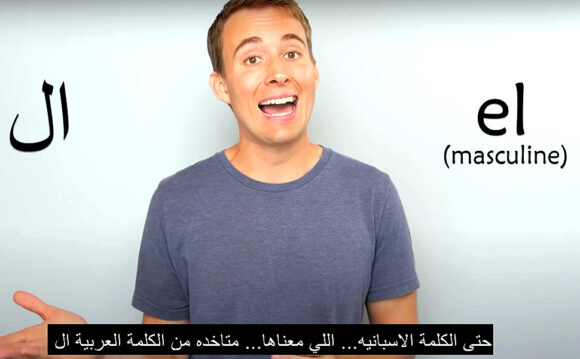
Video: How Arabic Influenced Languages Around the World
Alcohol, soda and sugar, what do they have in common, they are bad for you, but also they are all derived from Arabic, the words...
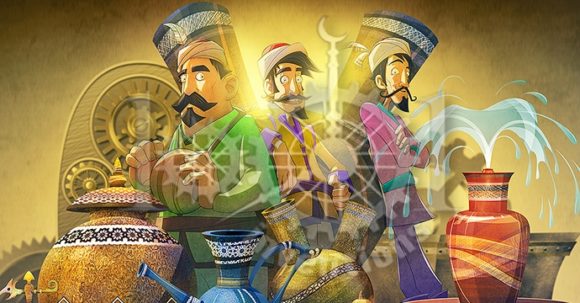
Trick Devices from a Thousand Years Ago
Muhammad ibn Musa ibn Shakir and his brothers Ahmed and Al-Hasan were known as the Banu Musa Brothers. They were part of the House of Wisdom of Baghdad in the ninth century. As well as being great mathematicians and translators of scientific treatises, they also invented many trick devices. Their Book of Ingenious Devices lists more than a hundred of them.

Travellers and Explorers from a Golden Age
Since the Quran said every able-bodied person should make a pilgrimage, or hajj, to Mecca at least once in their lifetime, thousands travelled from the farthest reaches of the Islamic empire to Mecca, beginning in the seventh century. As they travelled, they made descriptions of the lands that they passed through. Some of the most famous include...

Translation Movement
How translation of medical knowledge helped feed its development
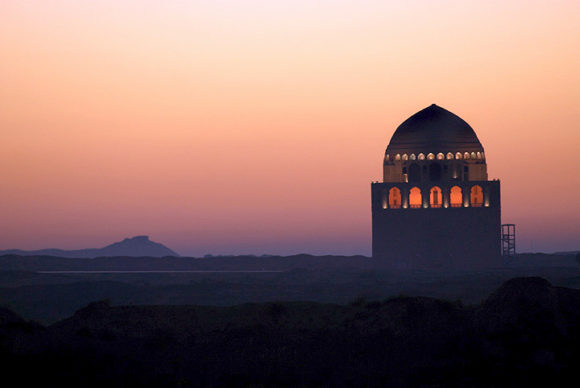
Top Five Mega Cities on the Silk Road
The historic Silk Roads, which were a network of trade routes across land and sea that connected the lands from China across Asia to the Meditteranean,

Top Five Medical Books on Healthy Living from Muslim Civilisation
If you think medical advice on healthy living - good nutrients, exercise and stress free existence is a modern medical practice, you might want to think again and join us to discover 5 medical books from 1,000 years ago that explored those exact topics.
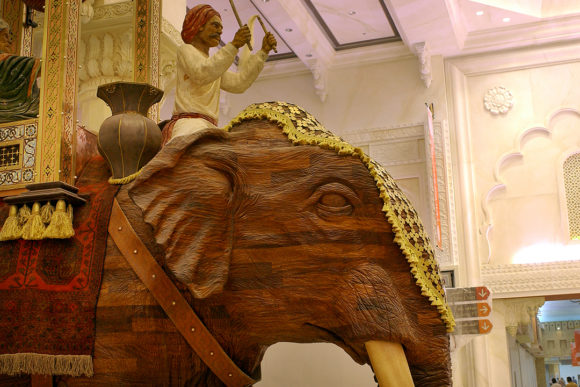
Top 7 ingenious Clocks from Muslim Civilisation that defied the Middle Ages
TIME TELLING MACHINES: Revealing 7 marvellous mechanical and water-powered clocks from early Muslim Civilisation. These sophisticated devices that defied the Middle Ages.
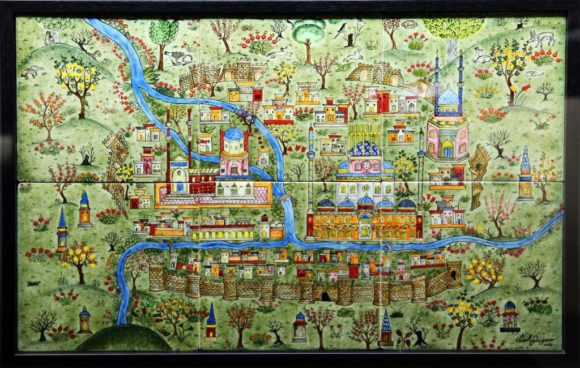
Top 5 Mega Cities on the Silk Road
Throughout history, trade routes played a central role in the transfer of goods and exchange of ideas between different parts of the world. The historic Silk Roads, which were a network of trade routes across land and sea that connected the lands from China across Asia to the Meditteranean...
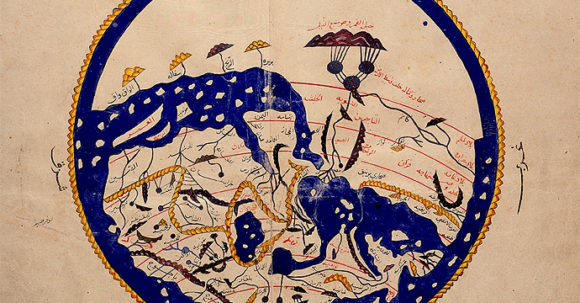
Top 10 Maps from Muslim Civilisation, when North was South and South was North, towards Mecca
1001 Inventions reveals 10 marvelous maps from Muslim Civilisation that include one of the earliest known maps of South America...
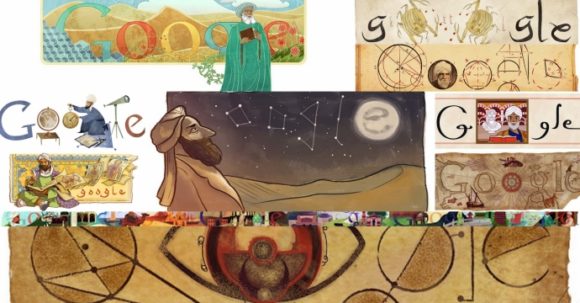
Top 10 Google Doodles’ for Muslim Civilisation
A Google Doodle is a special, temporary alteration of the logo on Google's homepages that commemorate holidays, events, achievements, and people. Some of the people featured are prominent figures from Muslim Civilisation from scientists to scholars, travelers to other social figures.


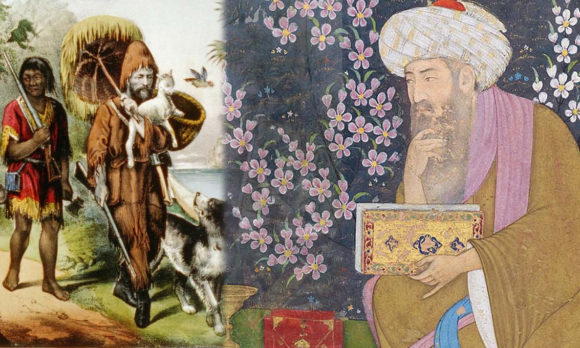
The Story Corner: The Mystery of Hayy Ibn Yaqzan
In early 12th-century Muslim Spain, a gifted philosopher, mathematician, poet, and medical doctor was born. Ibn Tufayl, or Abu Bakr ibn Abd al-Malik ibn Muhammad ibn Muhammad ibn Tufayl al-Qaysi, to give his full name, became known in the West as Abubacer...
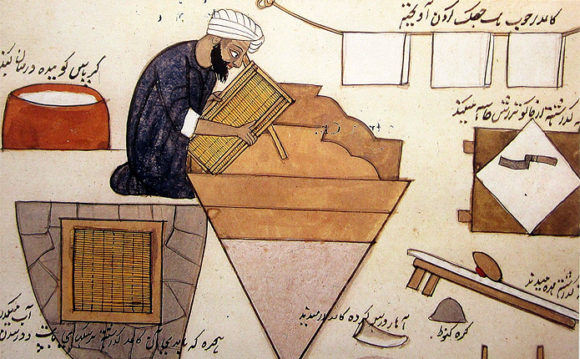
The Rise of an Industry: Papermaking
Paper, originally, was brought from China into Muslim Civilisation. From an art, Muslim Civilisation developed it into a major industry. Paper mills flourished across the Muslim World. The impact of Muslim Civilisations manufacture of paper helped paved the way for the printing revolution.
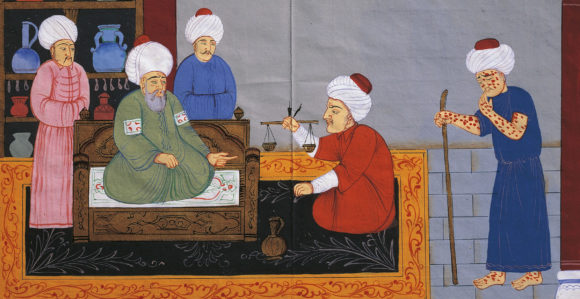
The Islamic Roots of Modern Pharmacy by David W Tschanz
Along the road from sympathetic magic and shamanism to scientific method, much trailblazing was carried out over a few centuries by scholars, alchemists, physicians and polymaths of the Muslim Middle East, and their rules, procedures and expectations are, to a great extent, practiced almost universally today.
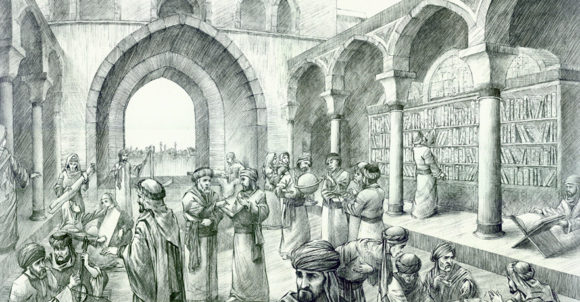
The House of Wisdom: Baghdad’s Intellectual Powerhouse
Image © 1001 inventions House of Wisdom Sketch Arabic Version (بيت الحكمة) The heyday of Baghdad was 1,200 years ago...